
Exploring the psychology of casino gamblers
The Allure of Gambling
The world of casinos presents a captivating spectacle, often characterized by dazzling lights, vibrant sounds, and an electrifying atmosphere that draws in millions each year. This allure attracts a diverse range of individuals, from casual players seeking entertainment to high-stakes gamblers chasing big wins. Understanding the psychological motivations behind this attraction is essential, as it reveals deeper insights into human behavior. Furthermore, those looking for exciting experiences might explore betting sites australia to enhance their gaming adventures, perceiving gambling as an escape from the mundane, offering a thrilling lifestyle filled with potential rewards and social interactions that can be incredibly appealing.
The psychological interplay of risk and reward significantly enhances the magnetism of casinos. Gamblers are often fueled by the hope of hitting a jackpot, with each spin of the wheel or deal of the cards creating a surge of adrenaline that keeps them engaged. This rush can become addictive, leading players to chase that exhilarating feeling even when it results in financial loss. The experience can be likened to a rollercoaster ride, where the highs and lows of winning and losing add to the excitement, creating an emotional experience that keeps players returning for more.
Additionally, the phenomenon of “near-misses” plays a critical role in the allure of gambling. Players often find themselves tantalizingly close to a win, which can provoke a strong desire to continue playing. This near-miss effect reinforces the belief that a victory is imminent, driving individuals to return to the gaming tables or slot machines. Such psychological triggers, combined with the thrill of the environment and the social aspects of gambling, create a potent recipe for attachment to the activity, making it a compelling and sometimes dangerous pursuit.
The Role of Cognitive Biases in Gambling
Cognitive biases have a profound impact on how gamblers perceive their experiences and make decisions while engaged in gaming activities. One of the most prevalent biases is the gambler’s fallacy, which leads individuals to mistakenly believe that past outcomes influence future results in games of chance. For instance, a player may convince themselves that after experiencing a streak of losses, they are ‘due’ for a win, disregarding the actual probabilities. This flawed reasoning often results in continued gambling, as players pour more money into games, convinced that luck is about to turn.
Another significant bias is confirmation bias, where players tend to remember their wins while conveniently forgetting their losses. This selective memory can manifest in the way gamblers recount their experiences, focusing on moments of success and downplaying the defeats. In the casino atmosphere, such narratives can create a shared belief among players that they possess a certain skill or luck, perpetuating their engagement in gambling activities. This skewed perception can lead to a cycle of gambling, where belief in one’s own luck overshadows reality.
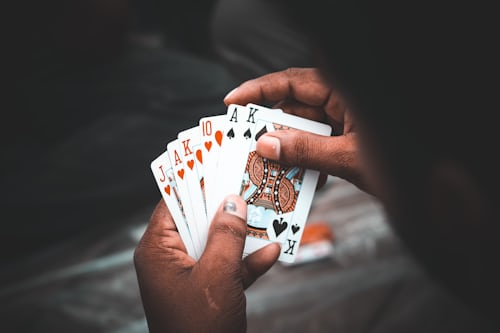
The social environment also reinforces these cognitive biases, as interactions with fellow gamblers can cultivate a communal atmosphere where shared stories of wins and near-wins bolster each other’s beliefs in luck and skill. The design of casino games cleverly exploits these biases, creating an engaging experience that captivates players, making them less aware of the reality of the odds. This interplay between cognitive biases and social dynamics underscores the complexity of gambling behavior, illustrating how easily individuals can become entrenched in their misconceptions.
Emotional and Social Aspects of Gambling
The emotional landscape of gambling is complex, encompassing a wide range of feelings and motivations. For many, gambling serves as a means to escape the pressures of everyday life. The casino environment offers an exhilarating distraction, allowing individuals to immerse themselves in the thrill of the games while temporarily forgetting their worries. This emotional escape can be particularly appealing to those facing significant life challenges, as the prospect of winning can provide a fleeting sense of euphoria and relief from stress.
The social dimension of gambling is equally significant, with many individuals preferring to gamble in groups or alongside friends. This social interaction enhances the overall experience, creating memories and bonds that can last a lifetime. The camaraderie found in shared gaming experiences can amplify the thrill of winning and soften the blow of losses. However, peer influence can also play a role in encouraging gambling behaviors, as the desire to fit in or participate in community activities can lead individuals to engage in gambling more frequently.
Despite the excitement and social aspects of gambling, not all emotional experiences are positive. Many gamblers grapple with feelings of guilt, anxiety, or depression, especially if their gambling leads to financial hardship. This emotional turmoil can create a vicious cycle where individuals continue to gamble in an attempt to escape their negative feelings. Understanding this emotional interplay is crucial for addressing gambling behaviors and recognizing the need for support and recovery strategies for those affected by gambling addiction.
The Impact of Environment and Game Design
The design of casino environments is a critical factor that influences gambler behavior. These spaces are intentionally crafted to maximize engagement, utilizing lights, sounds, and even scents to create an inviting atmosphere that captivates players. Such sensory stimuli can significantly impact decision-making processes, causing gamblers to lose track of time and money. The layout of casinos is also strategically planned to encourage movement, enticing players to explore various gaming areas, which can prolong their stay and increase their spending.
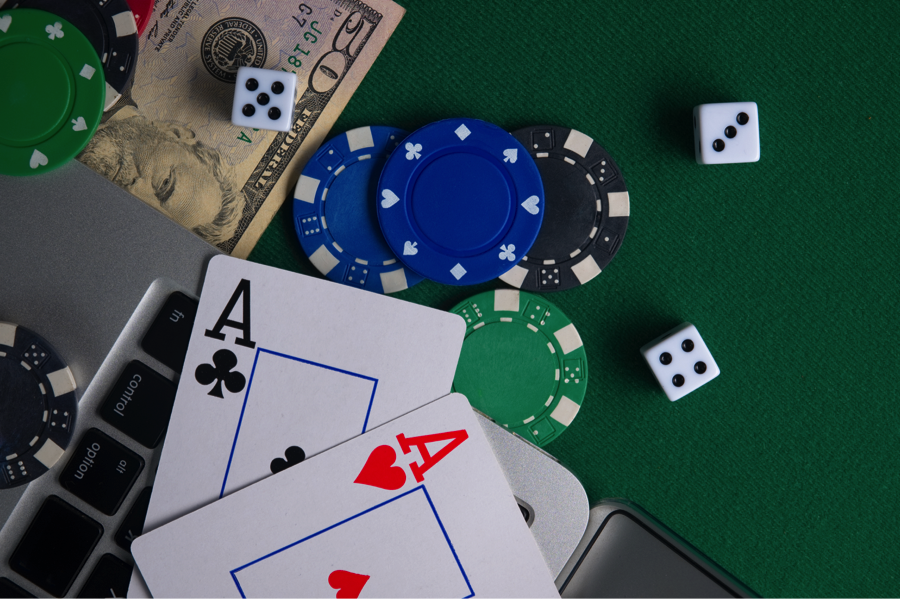
Game design plays an equally vital role in sustaining player interest. Casinos often utilize mechanisms such as variable rewards, where players receive wins sporadically but frequently enough to keep them engaged. This unpredictability taps into the desire for excitement and anticipation, prompting players to continue playing in a quest for their next significant win. Slot machines, in particular, are designed to create a rapid cycle of play, generating a sense of urgency and engagement that keeps players coming back for more.
The combination of psychological tactics embedded in game design and the carefully curated sensory experiences in casino environments creates a compelling allure for gamblers. This immersive atmosphere blurs the line between entertainment and financial responsibility, making it essential to understand how these elements influence gambling behavior. By examining the relationship between psychological principles and environmental design, we can gain valuable insights into why individuals find themselves drawn to casinos and the impact it has on their actions.
Finding Balance and Responsible Gambling
Recognizing the psychological dynamics involved in gambling is crucial for promoting responsible gambling practices. An understanding of cognitive biases, emotional triggers, and the potential for addiction empowers individuals to make informed choices regarding their gambling activities. By comprehending the risks associated with gambling and the psychological factors that can lead to harmful behaviors, players can engage in gambling with greater awareness and caution. This knowledge is vital for balancing the enjoyment of gaming with the need to maintain control over one’s finances.
Casinos and gaming organizations share the responsibility of fostering a culture of responsible gambling. Implementing resources such as self-exclusion programs, educational materials about gambling risks, and access to support services can help mitigate the negative consequences of gambling. Creating a healthy gaming environment where individuals can enjoy the thrill of casino games while minimizing risks is essential for the industry’s long-term sustainability and the well-being of its patrons.
As the gaming industry evolves and adapts to changing societal norms, cultivating a culture of awareness and balance becomes increasingly important. Gamblers should be encouraged to set limits on their spending and adhere to those boundaries. By promoting open discussions about the psychological aspects of gambling and the significance of responsible gaming, individuals can enjoy the excitement of the casino experience while maintaining control over their choices and financial well-being.